
Advisory Council Progress
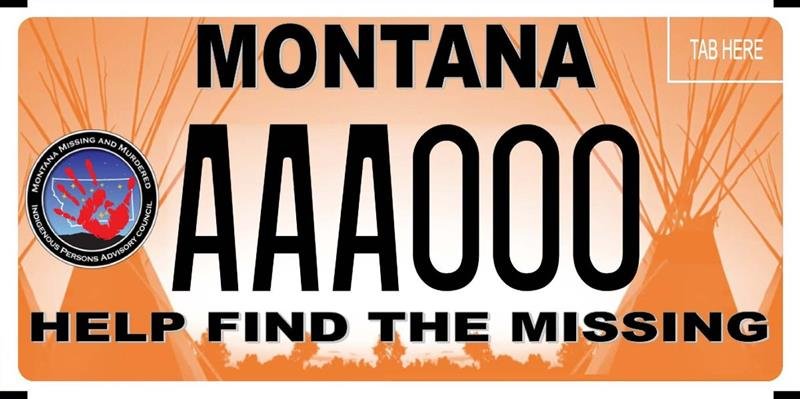
MMIP License Plate
The license plate provides Montanans the opportunity to demonstrate awareness and solidarity while contributing to continued education and outreach efforts. It also provides a mechanism of funding for the Advisory Council to raise money for resources to help find missing indigenous persons across Montana. Funding can be utilized (but not limited to) to promote outreach programs to educate communities on prevention strategies, fund equipment and technology to enhance search and response efforts, and support capacity-building initiatives providing more "tools in the toolbelt" when someone goes missing.
Take a look at a few of our successes, starting with legislation

Hanna’s Act (HB 21, 2019)
Empowered the Department of Justice to assist in all missing person investigations, regardless of age, and mandated hiring a missing person specialist. Named after Northern Cheyenne woman Hanna Harris.Senate Bill 312 (2019)
Created the MMIP Task ForceHouse Bill 54 (2019)
Required all Montana law enforcement to accept missing person reports promptly and standardized NCIC entry times: within 2 hours for minors and 8 hours for adults.House Bill 35 (2021)
Established the Missing Indigenous Persons Review Commission to analyze patterns, inform stakeholders, and recommend improvements for cross-jurisdictional coordination.
House Bill 163 (2023)
Extended the MMIP Task Force's sunset date ten years, to 2033. Added a representative from the Office of Public Instruction and authorized the Task Force to recommend actions to federal, state, and local agencies.House Bill 18 (2023)
Established the Missing Person Response Team Training Grant Program, appropriating $61,000 to support community-based, multiagency training for search and response teams.
House Bill 83 (2025)
Created a state special revenue account allowing the MMIP Advisory Council to receive donations, grants, and other funds for operations. It appropriates initial funding and places the account under the Legislative Audit Act.House Bill 545 (2025)
Renamed the Missing Indigenous Persons Task Force as the Missing and Murdered Indigenous Persons Advisory Council. Revises its membership, duties, and reporting requirements.
Missing Persons Response Team Training Grant Program
During the 2023 Legislative Session, a grant account was established to help fund training opportunities for community-based search and rescue response teams. The funds are available to multiagency, multijurisdictional, community entities and volunteers. This bill, and the subsequent grant funds, were initiated directly from Missing and Murdered Indigenous Persons (MMIP) Advisory Council recommendations, and tribal communities’ desire to improve emergency response regarding missing persons.
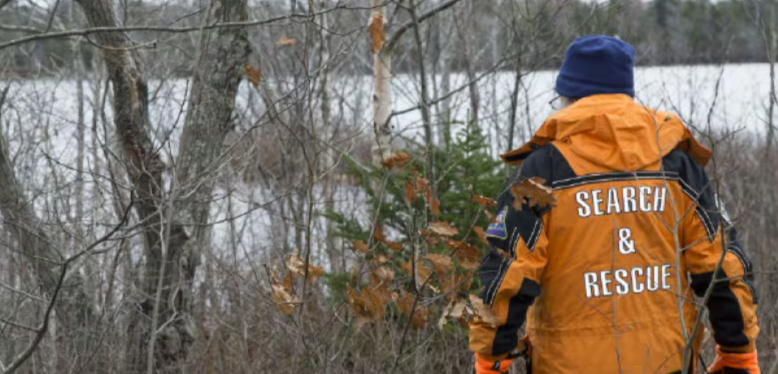
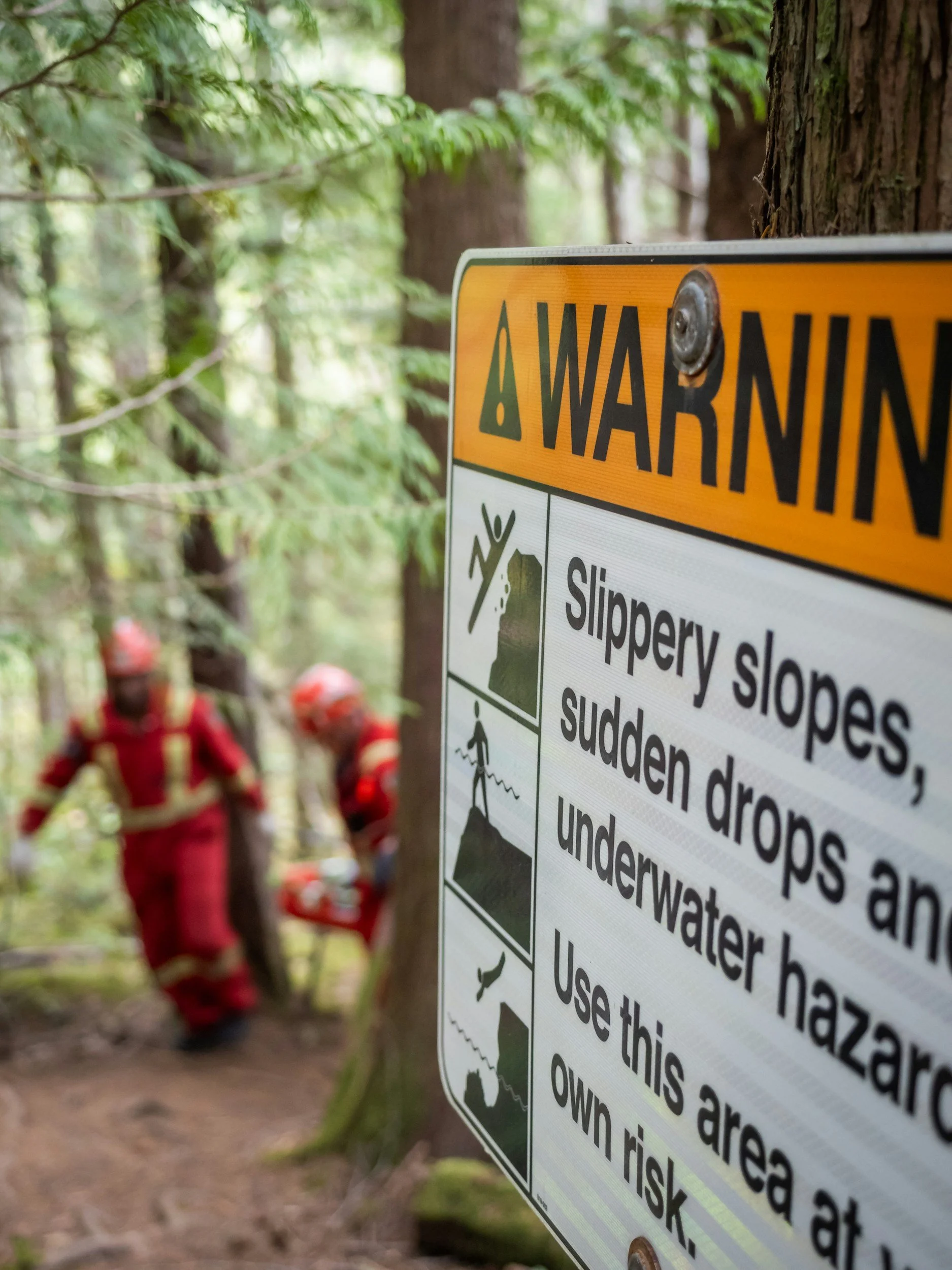
During September 2024, the MMIP Advisory Council helped facilitate the first training initiative to bring quality first response and search and rescue training to Indian country law enforcement. In partnership with Emergency Response International, a globally recognized company that specializes in Search and Rescue/Recovery training, a training event in Great Falls was held. The training was a Basic Search and Rescue Response course and covered topics such as SAR management, and the role of Incident Command System (ICS) in search and rescue operations. The training further highlighted basic survival skills for SAR responders, Lost Person Behavior Strategies and Search Theory, search tactics, land navigation and other related topics. The course itself is a product of Emergency Response International (ERI), an organization that primarily serves people living and working outdoors, professionals who face unexpected exposure to extreme environments, or those charged with responding to outdoor emergencies and Search and Rescue incidents. (Emergency Response International 2023)
OutdoorSafe.com - Emergency Training, Survival Equipment, Bookstore
During September 2025, another Search and Rescue training was held in Great Falls with the same agenda and coursework.
On May 18th through May 20th, 2026, a third training opportunity was held for MMIP Advisory Council members, MMIP advocates, Forensic professionals, Law Enforcement and Search & Rescue personnel. This course consisted of two days of Lost Person Behavior scenarios, strategies and mapping, with the third day dedicated to instruction regarding Missing Persons investigations, available resources, and various identification methods for cases involving Unidentified Human Remains. The training was a combination of textbook and PowerPoint learning in the classroom, followed by practical skill activities. 35 people were in attendance for this training.